









XRP Explained: Everything Beginners Must Know
Cryptocurrency has become a household term, but navigating its landscape can be confusing for newcomers. Among the many digital assets, XRP, also known as Ripple Coin, has emerged as one of the most discussed crypto assets. Whether you’ve heard about it in news headlines, crypto forums, or investment discussions, understanding this digital currency is essential if you want to participate in the rapidly evolving world of blockchain finance.
In this comprehensive guide, we’ll break down XRP for beginners, explain how this payment token works, explore its benefits and risks, and provide actionable insights to help you make informed decisions.
What Is XRP?
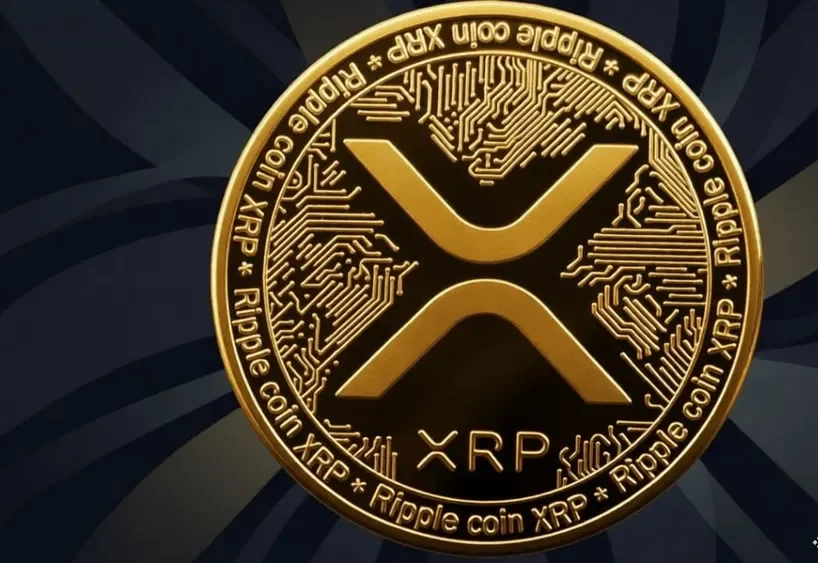
XRP, or Ripple Coin, is a digital currency developed by Ripple Labs, designed to facilitate fast and cost-effective cross-border payments. Unlike Bitcoin, which primarily acts as a store of value, this crypto asset focuses on providing liquidity and efficiency in the global payments ecosystem.
Key Features of XRP:
- Speed: Transactions settle in 3–5 seconds.
- Low Fees: Sending this digital currency costs a fraction of a cent.
- Scalability: Handles thousands of transactions per second.
- Decentralized Ledger: Operates on the XRP Ledger, a decentralized blockchain platform.
XRP is not mined like Bitcoin. Instead, its supply was pre-mined by Ripple Labs, making this payment token unique among cryptocurrencies.
How XRP Works
Understanding XRP or Ripple Coin requires a basic grasp of how digital ledgers function. The XRP Ledger uses a consensus protocol rather than traditional proof-of-work mining. Here’s how it works:
- Transaction Initiation: A user sends this digital currency to another wallet.
- Ledger Verification: Validators on the Ripple network confirm the transaction.
- Consensus Agreement: Validators reach consensus within seconds.
- Settlement: The transaction is finalized, and balances are updated.
This system enables XRP to process thousands of transactions per second, making it ideal for banks and financial institutions seeking faster cross-border payments.
Differences Between XRP and Other Cryptocurrencies
| Feature | XRP / Ripple Coin | Bitcoin | Ethereum |
|---|---|---|---|
| Purpose | Payments & liquidity | Store of value | Smart contracts & dApps |
| Transaction Speed | 3–5 seconds | 10–60 minutes | 10–15 seconds (varies) |
| Transaction Cost | Very low | High | Medium |
| Consensus | Ripple Protocol Consensus | Proof-of-Work | Proof-of-Stake |
| Supply | 100 billion pre-mined | 21 million | 120 million+ (varies) |
As the table shows, this crypto asset stands out for its speed, low fees, and banking focus, while Bitcoin and Ethereum serve different roles in the crypto ecosystem.
Benefits of Using XRP
Using Ripple Coin comes with several advantages:
- Faster Cross-Border Payments: Eliminates delays in traditional banking.
- Lower Transaction Fees: Affordable for businesses and individuals.
- Financial Inclusion: Enables global transactions for unbanked populations.
- Partnerships with Banks: Ripple Labs has collaborations with over 300 financial institutions worldwide.
- Transparency: XRP Ledger transactions are publicly verifiable.
These features make this digital currency appealing not only to retail investors but also to institutions looking for efficient payment solutions.
Risks and Considerations
While XRP or this payment token has many advantages, it’s important to consider the risks:
- Regulatory Uncertainty: XRP has faced legal scrutiny, including lawsuits from the SEC.
- Centralization Concerns: Ripple Labs controls a significant portion of the supply.
- Market Volatility: Prices can fluctuate dramatically.
- Competition: Other cryptocurrencies like Stellar and traditional banking solutions pose challenges.
For beginners, understanding these risks is crucial before investing or using Ripple Coin for transactions.
How to Buy and Store XRP
Getting started with this digital currency involves a few key steps:
1. Choose a Reliable Exchange
Popular exchanges include Binance, Coinbase, Kraken, and Bitstamp. Look for platforms that support XRP / Ripple Coin and have strong security protocols.
2. Create a Wallet
Options include:
- Software Wallets: Mobile or desktop apps.
- Hardware Wallets: Physical devices like Ledger or Trezor.
- Web Wallets: Exchange-hosted wallets (less secure).
3. Buy XRP
- Deposit fiat currency or other cryptocurrencies.
- Purchase this crypto asset using the exchange interface.
4. Transfer to a Secure Wallet
For long-term holding, transferring Ripple Coin to a personal wallet reduces exposure to exchange risks.
Practical Use Cases of XRP
XRP or this payment token is not just an investment; it’s designed for real-world utility:
- International Payments: Send money across borders in seconds.
- Remittances: Lower fees for migrant workers sending money home.
- Liquidity Provision: Banks use Ripple Coin as a bridge currency for different fiat currencies.
- Micropayments: Ideal for small, low-cost transactions.
These use cases demonstrate how this digital currency is reshaping modern finance.
Key Takeaways
- XRP / Ripple Coin is a fast, low-cost cryptocurrency focused on cross-border payments.
- Its consensus-based ledger allows rapid transactions with minimal fees.
- Beginners must understand risks, regulatory issues, and storage methods.
- XRP’s real-world applications in banking and remittances make it more than just an investment.
- Proper research, secure storage, and risk management are essential for new users.
Conclusion
XRP, also called Ripple Coin, is more than a digital asset—it’s a transformative tool for modern finance. For beginners, understanding its structure, benefits, and potential risks is the first step toward making informed decisions. By leveraging this crypto asset’s speed, low fees, and institutional backing, you can navigate the crypto world with confidence.
Whether you’re looking to invest, transact internationally, or explore blockchain technology, XRP and its applications offer practical utility and exciting opportunities for both individuals and institutions.