










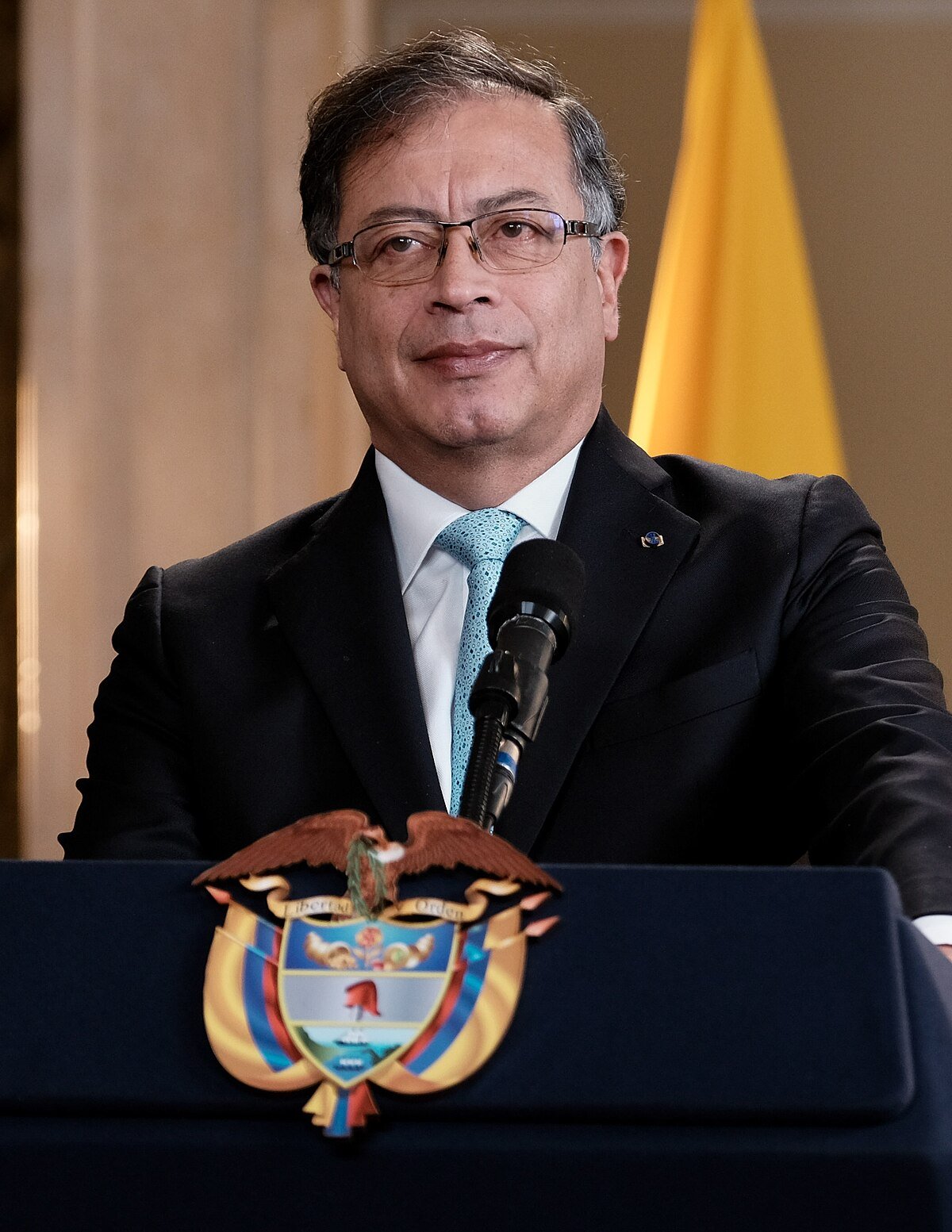
Gustavo Petro: Colombia Revolutionary Political Leader
Few figures in modern Latin American politics have commanded as much attention and debate as Gustavo Petro. From his early activism to his current role as Colombia’s president, Petro has been a symbol of change, challenging entrenched political structures while advocating for social reform and economic justice.
This article delves into the life, career, and influence of Gustavo Petro, exploring how he rose from humble beginnings to become one of the most revolutionary political leaders in Colombia. Through this deep dive, readers will gain insight into his policies, controversies, and enduring impact on Colombian society.
Early Life and Background
Gustavo Francisco Petro Urrego was born on April 19, 1960, in Ciénaga de Oro, Córdoba, Colombia. Growing up in a country marked by social inequality and political unrest, Petro witnessed firsthand the struggles faced by ordinary Colombians. These experiences shaped his worldview and inspired his lifelong commitment to public service.
Formative Years
- Raised in a middle-class family with strong educational values
- Exposed to social and political inequality from a young age
- Early engagement in community initiatives and student activism
Petro’s early life laid the groundwork for a career defined by advocacy, reform, and a willingness to confront powerful political and economic interests.
Political Awakening and Early Activism
Before entering formal politics, Gustavo Petro was involved in political activism. He joined the M-19 guerrilla movement in the 1980s, a group that played a complex role in Colombia’s turbulent history.
M-19 and Political Transformation
- M-19 was initially a militant organization fighting for social justice
- Petro later embraced non-violent politics after the group demobilized
- His time in M-19 instilled a commitment to addressing systemic inequality and corruption
This transformation from militant activism to mainstream politics demonstrates Petro ability to adapt, grow, and pursue change through democratic means.
Rise in Colombian Politics
After transitioning into formal politics, Gustavo Petro career gained momentum. His focus on social justice, anti-corruption, and environmental reform distinguished him from many traditional politicians.
Key Political Positions
- Elected to Bogotá City Council in 1991
- Served as a senator advocating progressive policies
- Elected Mayor of Bogotá in 2011, implementing social and environmental reforms
Petro’s tenure in public office has been marked by bold initiatives aimed at reducing inequality, promoting sustainable development, and enhancing transparency in government.
Presidential Ambitions
Gustavo Petro’s presidential campaigns reflect his ambition to reshape Colombia on a national scale. He ran for president multiple times before achieving victory, demonstrating persistence and the ability to connect with voters.
Policy Focus
- Social Programs: Expanding education, healthcare, and housing for marginalized communities
- Environmental Policy: Advocating for sustainable energy and protecting natural resources
- Economic Reform: Addressing wealth inequality and promoting fair labor practices
- Anti-Corruption: Strengthening transparency and accountability in government
These policies underscore why Petro is considered a revolutionary figure in Colombian politics, challenging the status quo and pushing for systemic change.
Gustavo Petro Leadership Style
Petro leadership combines pragmatism with idealism. He balances visionary policies with practical strategies, often taking bold stands on issues many politicians avoid.
Key Leadership Traits
- Visionary Thinking: Advocates long-term reforms rather than short-term gains
- Resilience: Overcame political setbacks to achieve national prominence
- Public Engagement: Connects directly with citizens through speeches and social media
- Strategic Negotiation: Collaborates across party lines to advance legislative agendas
This combination of traits has helped Petro maintain influence even amid political controversies.
Achievements as Mayor of Bogotá
Petro tenure as Mayor of Bogotá (2012–2015) provides a microcosm of his political approach.
Major Initiatives
- Introduced sustainable urban transport programs
- Expanded public health services for underserved communities
- Advocated for progressive taxation and social inclusion
- Supported cultural and educational projects to empower citizens
These initiatives exemplify how Petro blends social reform with practical governance.
Controversies and Challenges
Gustavo Petro career has not been without controversy. Critics have questioned his past involvement with M-19, his economic policies, and his confrontational style.
Notable Challenges
- Allegations of mismanagement during mayoral tenure
- Intense opposition from traditional political parties
- Navigating polarized public opinion while implementing reforms
Despite these challenges, Petro has remained a resilient figure, committed to his vision of a more equitable Colombia.
Global Influence and Recognition
Gustavo Petro influence extends beyond Colombia’s borders. International observers view him as a progressive leader in Latin America, capable of promoting social justice while navigating complex political landscapes.
Diplomatic Engagements
- Advocates for regional collaboration on climate and economic issues
- Participates in global forums addressing inequality and sustainability
- Promotes Colombia as a leader in social reform and progressive governance
His growing international profile underscores the significance of his revolutionary leadership.
Personal Life and Values
Beyond politics, Gustavo Petro is known for his commitment to family, education, and ethical governance.
Personal Highlights
- Strong advocate for education and civic engagement
- Prioritizes transparency, accountability, and integrity
- Maintains a humble lifestyle despite political prominence
These values inform his public image and reinforce his credibility as a reformist leader.
BIO: Gustavo Petro at a Glance
| Category | Details |
|---|---|
| Full Name | Gustavo Francisco Petro Urrego |
| Date of Birth | April 19, 1960 |
| Age | 64 (as of 2024) |
| Profession | Politician |
| Nationality | Colombian |
| Net Worth (approx.) | $1–3 million |
| Notable Works / Achievements | President of Colombia, Mayor of Bogotá, Senator, Progressive Reforms |
Legacy and Vision for Colombia
Gustavo Petro represents a new generation of leadership in Colombia. His emphasis on social justice, environmental sustainability, and anti-corruption initiatives has inspired a generation of activists and policymakers.
Long-Term Goals
- Strengthen social safety nets and reduce inequality
- Promote sustainable development and environmental stewardship
- Foster inclusive political processes and democratic engagement
- Combat corruption and institutional inefficiency
His legacy is likely to be measured not only in policy outcomes but also in the cultural and political shift he inspires toward progressive governance.
Conclusion: Gustavo Petro, the Revolutionary Leader
In the end, Gustavo Petro is more than a politician—he is a transformative figure reshaping Colombia’s political and social landscape. From his early activism with M-19 to his presidency, Petro has demonstrated resilience, vision, and a relentless commitment to justice.
His journey underscores the power of perseverance, the importance of ethical governance, and the enduring impact of revolutionary leadership. Understanding Gustavo Petro provides insight into the future of Colombia and the potential for progressive change in Latin America.
What are your thoughts on Gustavo Petro policies and leadership style? Share your perspective and join the conversation about Colombia’s revolutionary political leader.